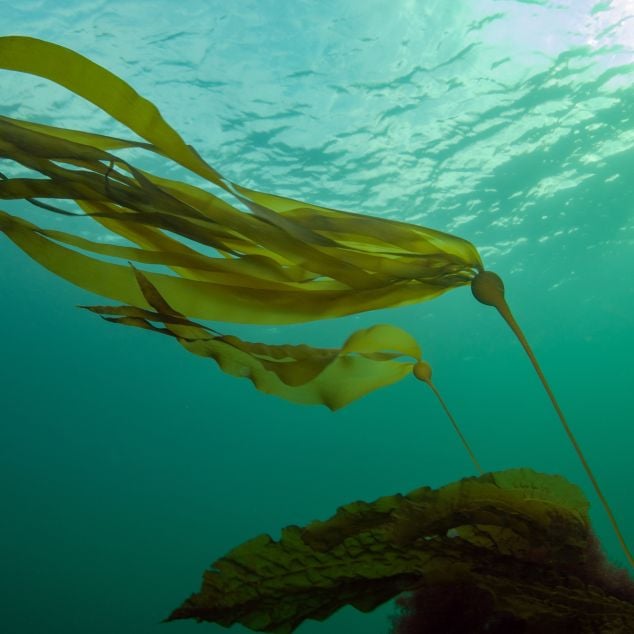
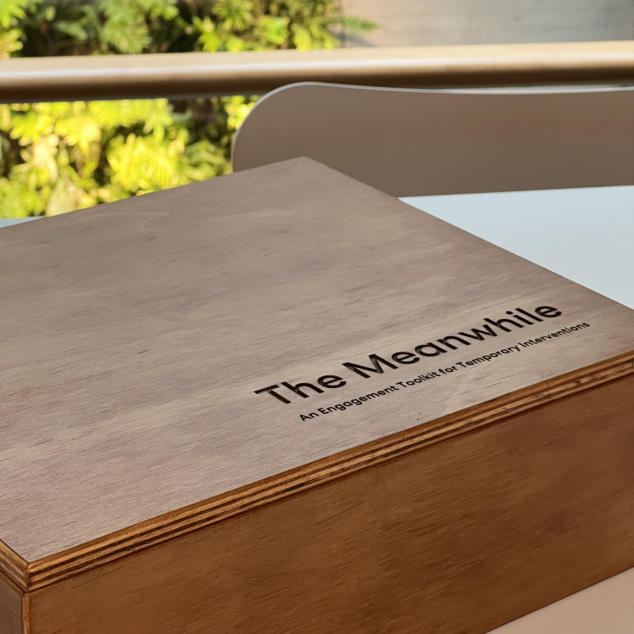
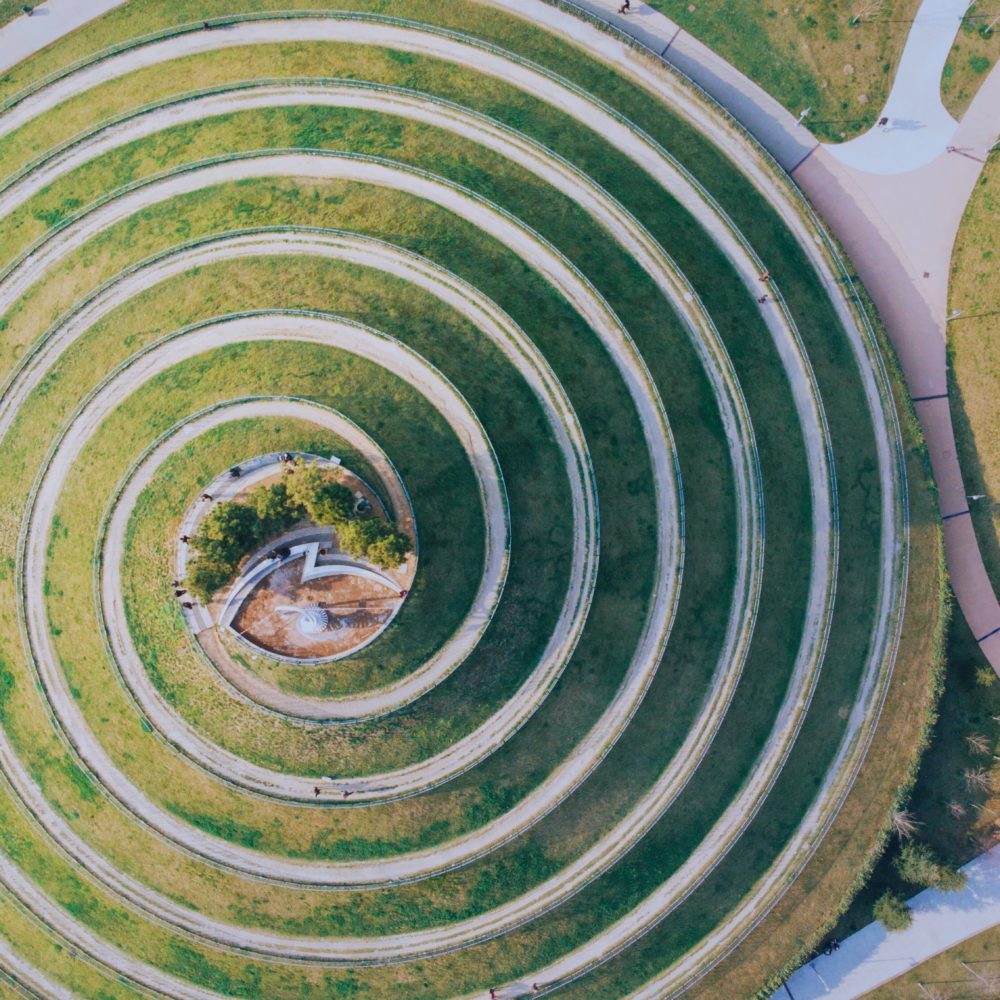
Institutional changes are typically approached with strict timelines and frameworks, but design strategist Carolyn Fritz thinks that workplaces, and the people who power them, might benefit from a less mechanical and more organic approach to disruption. Instead of treating change management as a rigid and isolated project with a defined start and end date, she’s looking to the natural environment for inspiration. After all, plants and animals are constantly adapting to change, often in gradual and incremental ways and at scales ranging from a single organism to an entire ecosystem.
“Architecture and design projects are inherently change-based,” Carolyn says. “Clients hire us because they want something to change. From aesthetics, geography, systems, physical additions, or programs, we help them navigate change in all aspects of our work. And I’ve always been drawn to nature and curious about the natural world. The intersection of these interests led me to investigate new processes and new ways of working.”
For her Innovation Incubator project, she applied a nature-based lens to the human side of organizational disruption, investigating how the ever-changing natural world can encourage more comprehensive transitions in the human sphere. She explored how organisms adapt to, and even thrive in, changing environments, with the goal of developing new ways to approach and communicate about complex changes.
A conceptual leap
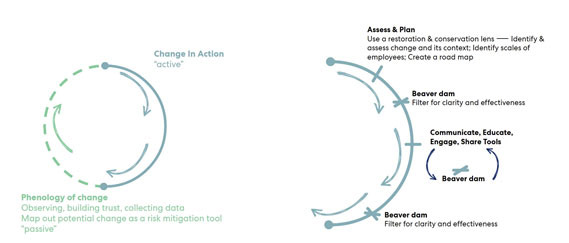
Carolyn acknowledges that connecting these two fields requires a conceptual leap. “Often biomimicry is connected to physical products or engineering efforts, but there isn’t a lot of info connecting it to process or something more intangible,” she says. To bridge the gap, she adopted a two-pronged strategy used by leading biomimicry consulting consultants: Approaching a challenge by abstracting it to nature (which she calls “Challenge to Biology”), and by looking at nature and abstracting it to humans (“Biology to Design”).
In the first stage of her research, she identified barriers to change management and investigated how nature handles analogous disruptions. The second stage involved analyzing natural adaptations and looking for similar situations in organizational transitions. Then she sought to map these natural paradigms onto a more familiar and established industry standard, the Prosci Change Management method for organizations. This method involves preparing an approach, managing change, and sustaining outcomes.